











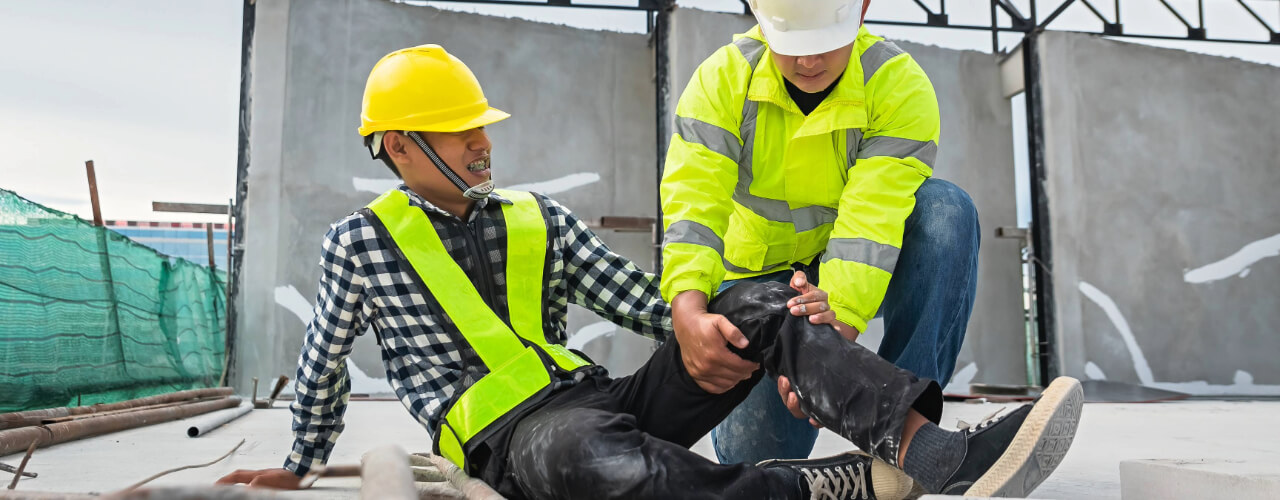
Over 2.8 million nonfatal workplace injuries and illnesses were reported in 2019. These injuries can cause significant pain and disability, impacting work performance and daily life. Physical therapy offers a proven method for treating work-related injuries, helping patients to regain strength, mobility, and function.
Defining Work-Related Injuries and Their Causes
Work-related injuries are any injuries or illnesses that occur due to job-related activities. These can include musculoskeletal disorders, repetitive strain injuries, and acute traumatic injuries. Symptoms may include pain, swelling, limited range of motion, and weakness.
Causes of Work-Related Injuries
Overexertion
- Overexertion can happen during lifting, pushing, or pulling heavy objects.
Repetitive Motion
- Performing repetitive tasks such as typing or assembly line work.
Slips, Trips, and Falls
- These are often due to wet floors or uneven surfaces.
Contact with Equipment
- Contact may include being struck by or caught in machinery.
How Physical Therapy Can Help with Treating Work-Related Injuries
Physical therapy is a comprehensive approach to treating work-related injuries. Physical therapists are experts in assessing and treating musculoskeletal and neuromuscular conditions. They use various techniques to reduce pain, improve function, and prevent future injuries.
What to Expect in Physical Therapy
Initial Assessment
- A thorough evaluation helps physical therapists understand the extent of the injury and develop a personalized treatment plan.
Manual Therapy
- Hands-on techniques to help reduce pain and improve mobility.
Exercise Therapy
- Customized exercise programs help strengthen muscles and improve flexibility.
Ergonomic Advice
- Patients learn about proper body mechanics and workplace ergonomics to prevent re-injury.
Education
- Teaching patients about their condition and how to manage it effectively.
These example treatments are based on evidence and tailored to individual needs, ensuring the best possible outcomes.
Take the First Step Towards Recovery Today
If you are experiencing symptoms of a work-related injury, seeking physical therapy can make a significant difference. Our team provides expert care and effective treatment plans tailored to your needs.
Call our team at Twin Rivers Physical Therapy in Clarkston, WA to learn more about treating work-related injuries or schedule an appointment.




Leave a Reply