












If you’ve ever felt a sharp or aching pain along the front of your lower leg after running, walking, or exercising, you may be dealing with shin splints. The discomfort can sideline your workouts and daily activities, but you don’t have to tough it out alone. The team at Twin Rivers Physical Therapy offers targeted strategies for shin splints pain relief, recovery, and prevention.
Keep reading to learn what causes shin splints and how physical therapy can help you get back on your feet—pain-free.
Understand the Source: What Are Shin Splints?
Shin splints, also known as medial tibial stress syndrome, are a common overuse injury affecting the lower leg. This condition often appears in runners, dancers, and athletes, although it can affect anyone—especially people who start new activities too quickly.
Common Causes of Shin Splints
- Repetitive stress on the shinbone and surrounding tissues
- Sudden increase in running or workout intensity
- Poor foot mechanics, such as flat feet or high arches
- Wearing worn-out or unsupportive shoes
- Running on hard or uneven surfaces
Symptoms to Watch For
Shin splints typically start with a dull ache but can become more painful over time. Common signs include:
- Pain along the front or inner edge of the shin
- Tenderness or soreness in the lower leg
- Mild swelling around the shin area
- Discomfort that worsens with activity
Ignoring the pain or pushing through workouts can lead to more serious injuries like stress fractures. That’s why early treatment is key to lasting shin splints pain relief.
Get Lasting Relief: How Physical Therapy Can Help
Physical therapy addresses both the symptoms and the root causes of shin splints. While we can certainly help you ease your pain, we’ll also help you address the underlying factors contributing to your shin splints to avoid re-injury. Here’s what you can expect:
1. Comprehensive Assessment
We’ll begin with a full-body assessment to help us identify the real cause of your shin splints so we can personalize treatment to your needs. Your assessment will generally include:
- Your posture, walking, and running mechanics
- Muscle strength and flexibility in the legs and hips
- Foot and ankle alignment
- Shoe wear patterns and exercise history
2. Hands-On Pain Relief
We offer several techniques to ease your initial pain and inflammation, such as the following:
- Soft tissue massage to reduce muscle tension
- Ice therapy to calm inflammation
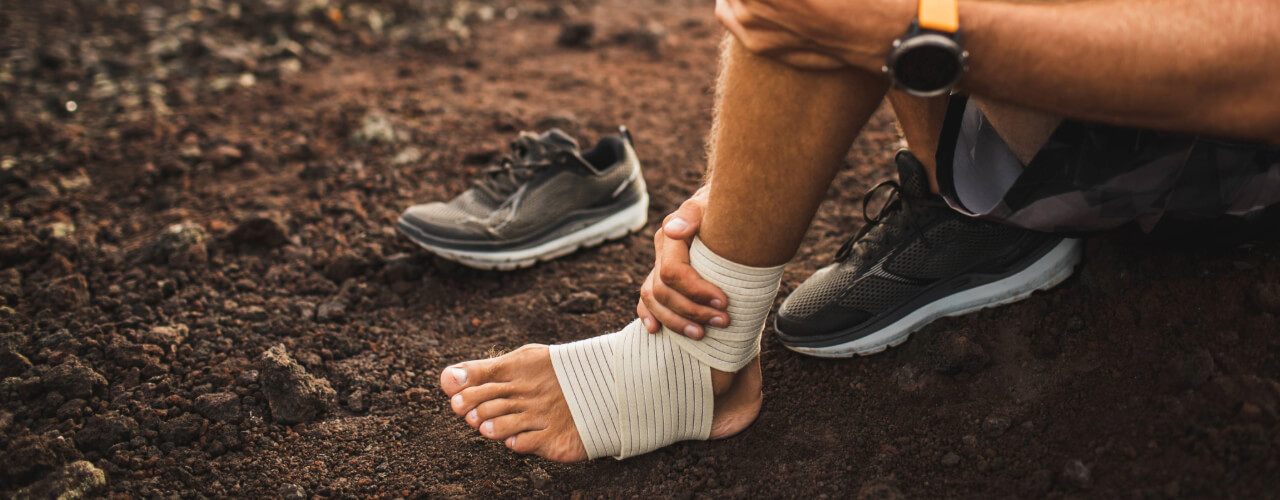
- Taping or bracing to support healing
- Treatment modalities (such as electrical stimulation) for pain control
These methods provide immediate comfort and prepare your body for active recovery.
3. Rebuild Strength and Prevent Future Pain
Once your pain is under control, physical therapy shifts to long-term strategies to help prevent future occurrences of shin splints. Here’s how:
Improving Mobility
- Tight calves and hamstrings can pull on the shin area. Gentle stretching routines and mobility exercises help relieve tension and improve movement.
Strengthening the Right Muscles
- Weak or imbalanced muscles can strain your shins. Your therapist will guide you through targeted exercises to build strength throughout your lower body, including your calves, ankles, quads, hips, and glutes. Strengthening these muscles helps absorb impact and protect your lower legs.
Correcting Movement Patterns
Your physical therapist can help improve your walking or running form to reduce strain on your shins. This may include:
- Gait assessment and retraining
- Balance work
- Agility drills
We may also recommend footwear or orthotics if needed to support better foot alignment.
Ready to Feel Better? Let’s Get Started
Shin splints don’t have to keep you from doing what you love. With expert care and a custom treatment plan, our physical therapists can give you the shin splints pain relief you’ve been looking for—plus the tools to stay injury-free long term.
If you’re tired of lower leg pain slowing you down, it’s time to take the next step. Contact Twin Rivers Physical Therapy today to schedule an appointment and start feeling better.



Leave a Reply